 By admin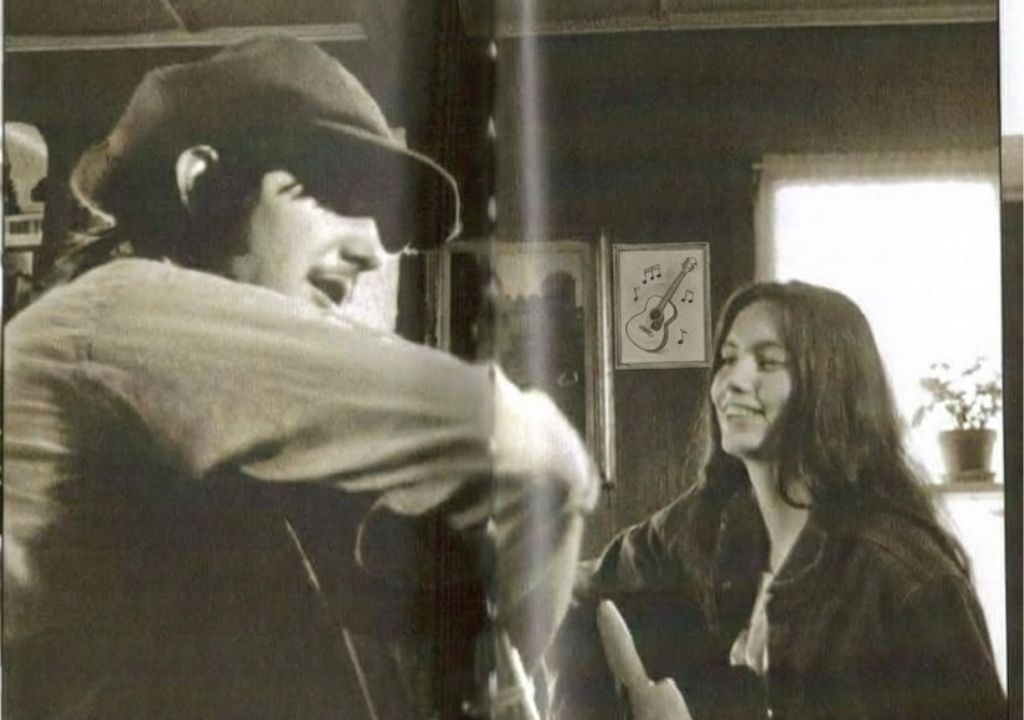

INTRODUCTION
The winter air in Washington, D.C., was a biting 32°F, but inside Clyde’s of Georgetown, the atmosphere was thick with the scent of stale beer and the quiet desperation of a career stalled. For Emmylou Harris, a 24-year-old single mother living in her parents’ basement, the nightly $20 USD performance was not an artistic pursuit, but a logistical necessity. She was a folk refugee in an era moving toward harder edges, her crystalline soprano often lost in the ambient noise of a distracted bar crowd. However, on this particular evening in late 1971, the door swung open to admit a man whose arrival would function as a tectonic shift in her personal and professional landscape.
THE DETAILED STORY
Gram Parsons, the self-styled architect of “Cosmic American Music,” was a man searching for a vocal foil—a specific, pure resonance that could ground his sprawling, country-rock ambitions. Having recently departed the Flying Burrito Brothers and spent time in the decadent orbits of the Rolling Stones, Parsons arrived at Clyde’s on the recommendation of Chris Hillman. What he encountered was not just a singer, but a partner whose vocal nuance offered a sophisticated counterpoint to his own fragile, soulful delivery. The connection was instantaneous and meticulous; it was as if their voices had been tuned to the same cosmic frequency long before they occupied the same room.
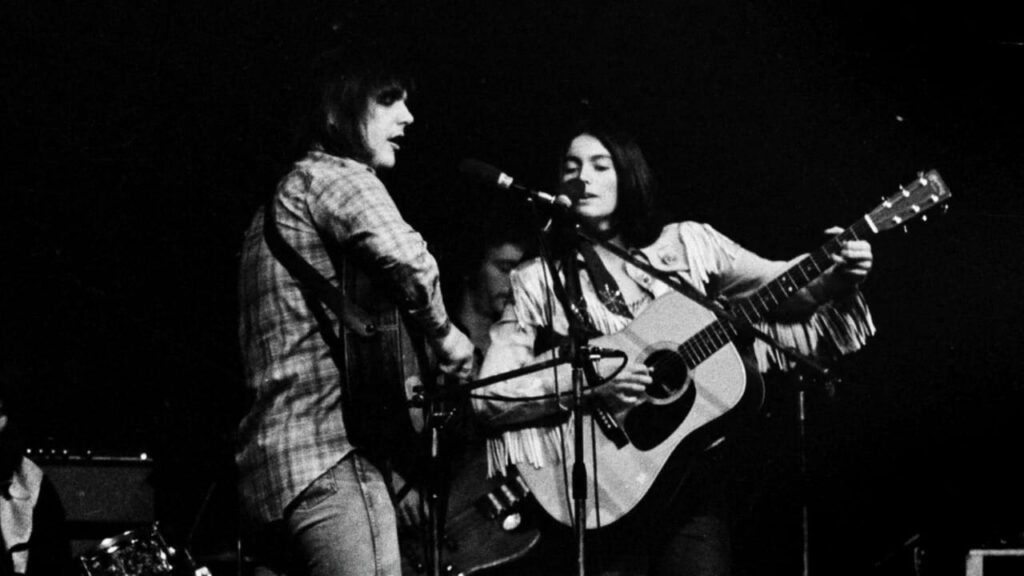
This meeting initiated a paradigm shift for Harris. Within months, she moved to Los Angeles, transitioning from the subsistence of a struggling performer to the focal point of Parsons’ seminal solo albums, GP and Grievous Angel. The sessions were characterized by an almost telepathic synergy, particularly on tracks like “Love Hurts,” where the harmony lines blurred the boundary between two separate identities. Parsons’ wealth and industry access provided the platform, but it was Harris’s discipline and technical precision that offered the necessary stability to his volatile genius. Their collaboration was less a traditional apprenticeship and more a mutual elevation, creating a sound that would eventually define the Americana genre.
The tragedy that followed—Parsons’ sudden death on 09/19/1973—could have easily silenced the narrative. Instead, it served as a brutal, inevitable catalyst for Harris’s autonomy. Left with the emotional and musical debris of their brief partnership, she emerged not as a widow of the movement, but as its most authoritative steward. She took the lessons of their shared road and built a multi-decade career that earned her 14 Grammy Awards and a place in the Country Music Hall of Fame. The chance meeting at Clyde’s proved that while fame is often fleeting, the alignment of two perfectly matched creative spirits can create a legacy that outlasts the individuals themselves.