 By admin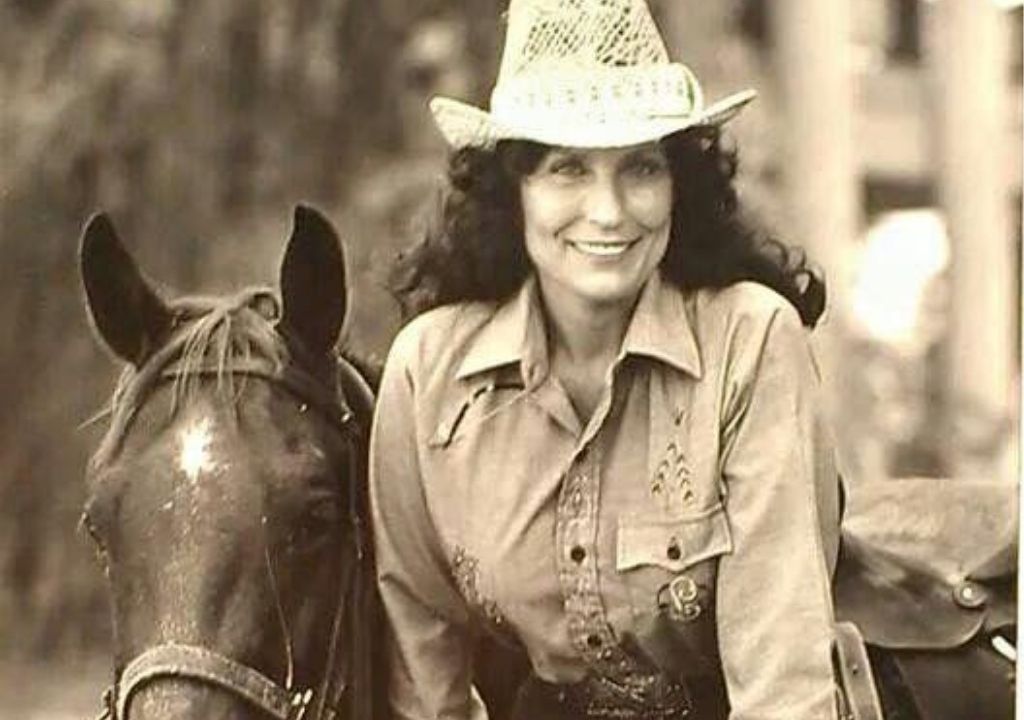

INTRODUCTION
The journey from the Pacific Northwest to the heart of Nashville is roughly 2,500 miles, but for Loretta and Doolittle Lynn, the distance was measured in the hundreds of radio stations they visited along the way. In 1960, armed with a fresh-pressed single on the independent Zero Records label and no promotional budget, the couple embarked on a grassroots odyssey that has since become a cornerstone of country music lore. This was not a pre-planned tour but a high-stakes, “guerilla-style” marketing trek. Their arrival in Nashville was not heralded by a grand reception, but by the quiet click of a car door as they prepared to sleep in their vehicle outside the Grand Ole Opry—a stark detail that established the relentless paradigm of their ambition.
THE DETAILED STORY
The strategy for promoting “I’m a Honky Tonk Girl” was as primitive as it was meticulous. Doolittle Lynn, recognizing that the small label lacked the infrastructure to challenge the Nashville establishment, took the role of a makeshift press agent. He mailed thousands of records accompanied by a photograph he took of Loretta himself, but when the mailings yielded no results, the couple took to the road. For three months, they lived in their car, subsisting on bologna sandwiches and washing in park restrooms. They pestered disc jockeys at every 500-watt station they encountered, with Loretta often walking into studios in her homemade fringed cowgirl outfits to hand-deliver her 45rpm records. This sophisticated refusal to take “no” for an answer bypassed the traditional gatekeepers and created a groundswell of listener demand before they even crossed the Tennessee border.

When the Lynns finally reached Nashville, the song had already climbed to number 14 on the Billboard charts, providing them with a sliver of institutional leverage. However, the physical reality of their situation remained dire. On the night before Loretta’s debut at the Grand Ole Opry—October 15, 1960—the couple spent their last few dollars on a single donut, which they shared for breakfast while sitting in their car parked in front of the Ryman Auditorium. This moment of extreme frugality served as the ultimate narrative tension; while Loretta was about to step onto the most hallowed stage in music, she was technically homeless. Her performance was a blur of nerves—she later recalled only the sound of her own foot tapping on the floorboards—but the impact was immediate.
The success of that Nashville arrival forced a permanent shift in the industry’s perception of “hillbilly” music. By the time she was inducted as an official Opry member in 1962, the struggle of the Mercury marathon had been vindicated. The Lynns had proved that in the mid-century music economy, proximity to power was less important than the direct connection with the audience. This lingering, authoritative thought suggests that Loretta Lynn’s ascension was not just a victory of talent, but a victory of narrative architecture—she and Doolittle built the road to Nashville themselves, one radio station at a time. It raises the question: in today’s digital age, has the raw, physical grit required to “make it” been replaced by an algorithm, or is the hunger of the road still the only true path to the top?