 By admin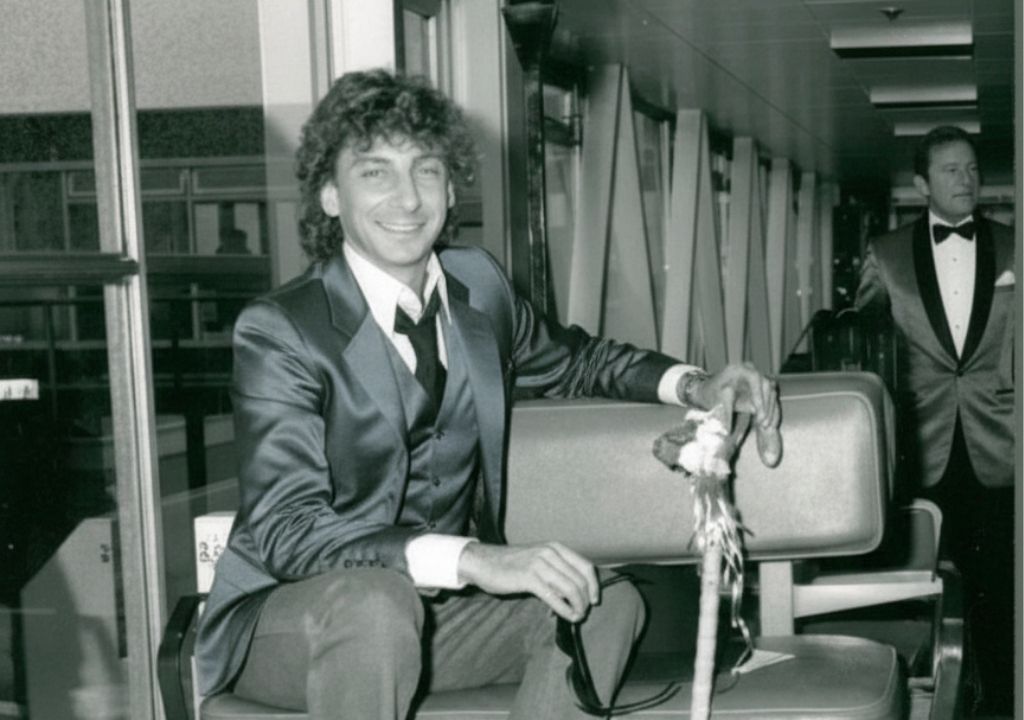
INTRODUCTION
In a modest apartment in the Williamsburg section of Brooklyn, circa 1945, a two-year-old boy unknowingly reached a crossroads that would dictate the cadence of American pop music for the next century. The departure of Harold Pincus was not a loud, cinematic climax, but a quiet, structural fracture in the family unit. When Pincus walked out of his son’s life, he left behind more than a void; he left a patronym that felt like a borrowed garment. For the young Barry Alan Pincus, the path to becoming “Barry Manilow” was not merely a career move—it was a sophisticated psychological reconstruction, a way to build a house of sound on a foundation he chose for himself.
THE DETAILED STORY
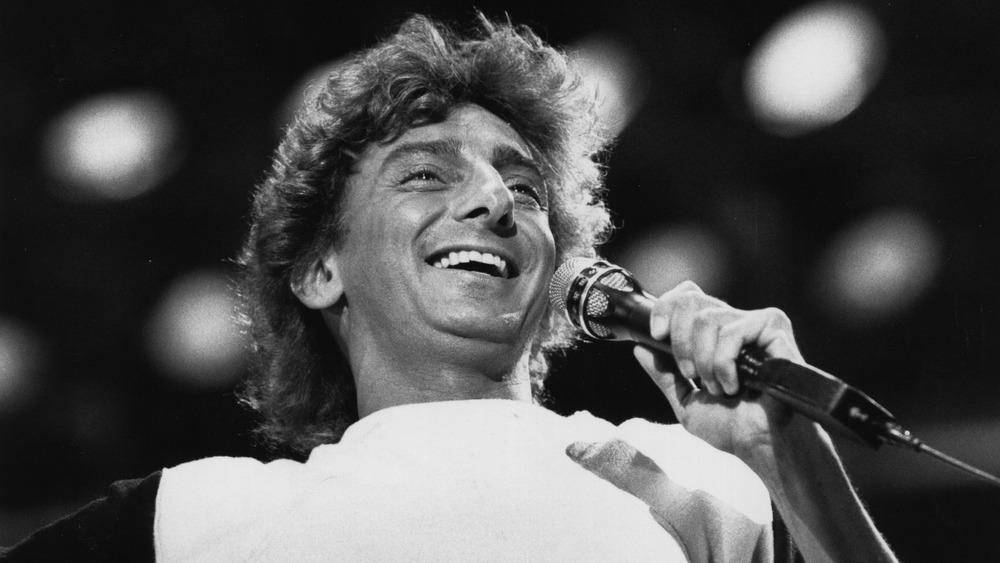
The decision to discard “Pincus” in favor of “Manilow” was a paradigm shift that occurred long before the bright lights of the recording studio. It was a gesture of profound loyalty to his mother, Edna, and his maternal grandfather, Joseph Manilow. Joseph, an immigrant who recognized the boy’s nascent brilliance, provided the musical oxygen that Harold Pincus had withheld. By the time of his Bar Mitzvah, the transition was spiritually complete. The act of renaming served as a meticulous erasure of a man who was a stranger in all but blood, replacing a legacy of absence with a legacy of active, creative presence. This shift allowed Barry to navigate the complexities of fame without the weight of an unearned identity, ensuring his upward trajectory was fueled by a self-authored narrative.
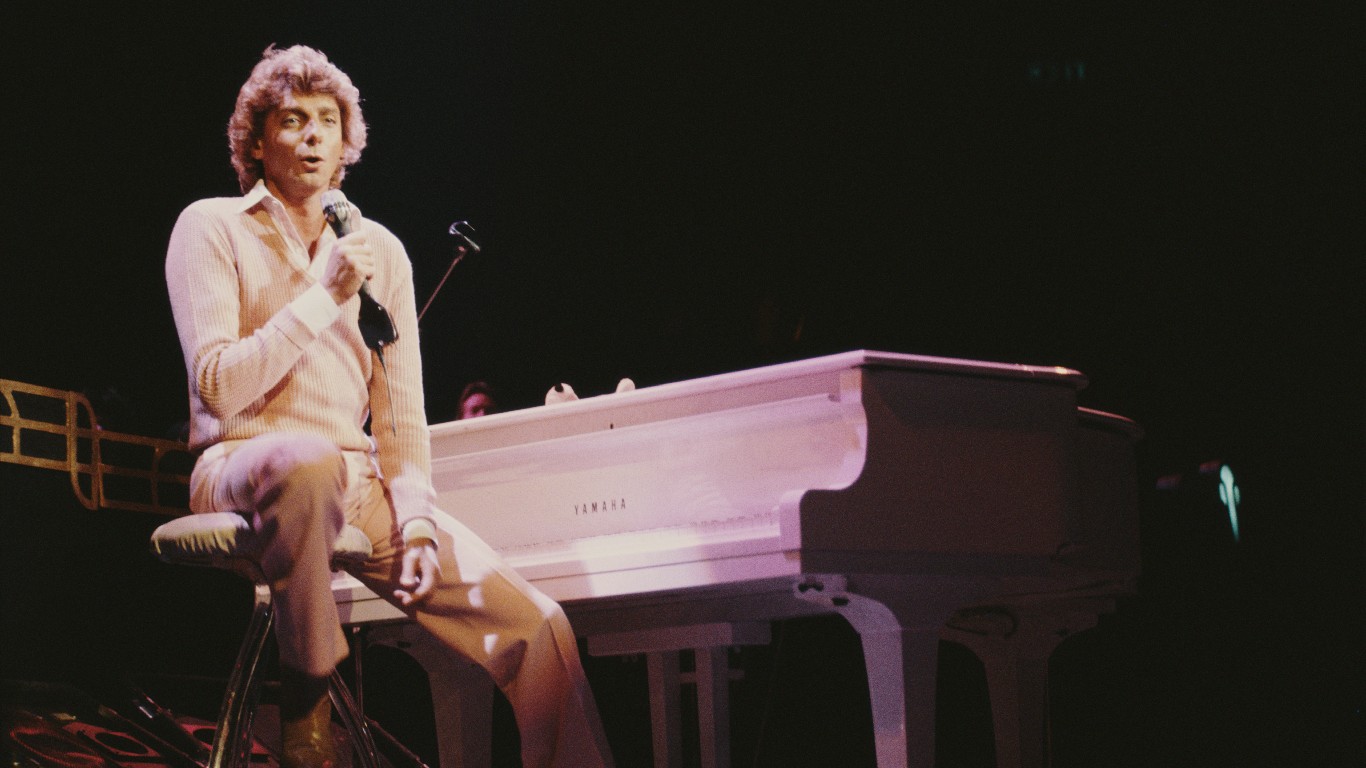
This early encounter with abandonment created a nuance in Manilow’s performance style that is often overlooked. His ability to evoke deep, universal longing in his power ballads is not an accident of vocal range, but an echo of that initial search for stability. The “Manilow” brand became a fortress—a meticulously designed sonic environment where he could exert total control, a luxury he lacked as a toddler in a fractured household. His career can be viewed as an investigative journey into the nature of connection; every sold-out concert is a reaffirmation of a bond he built from scratch with an audience of millions.
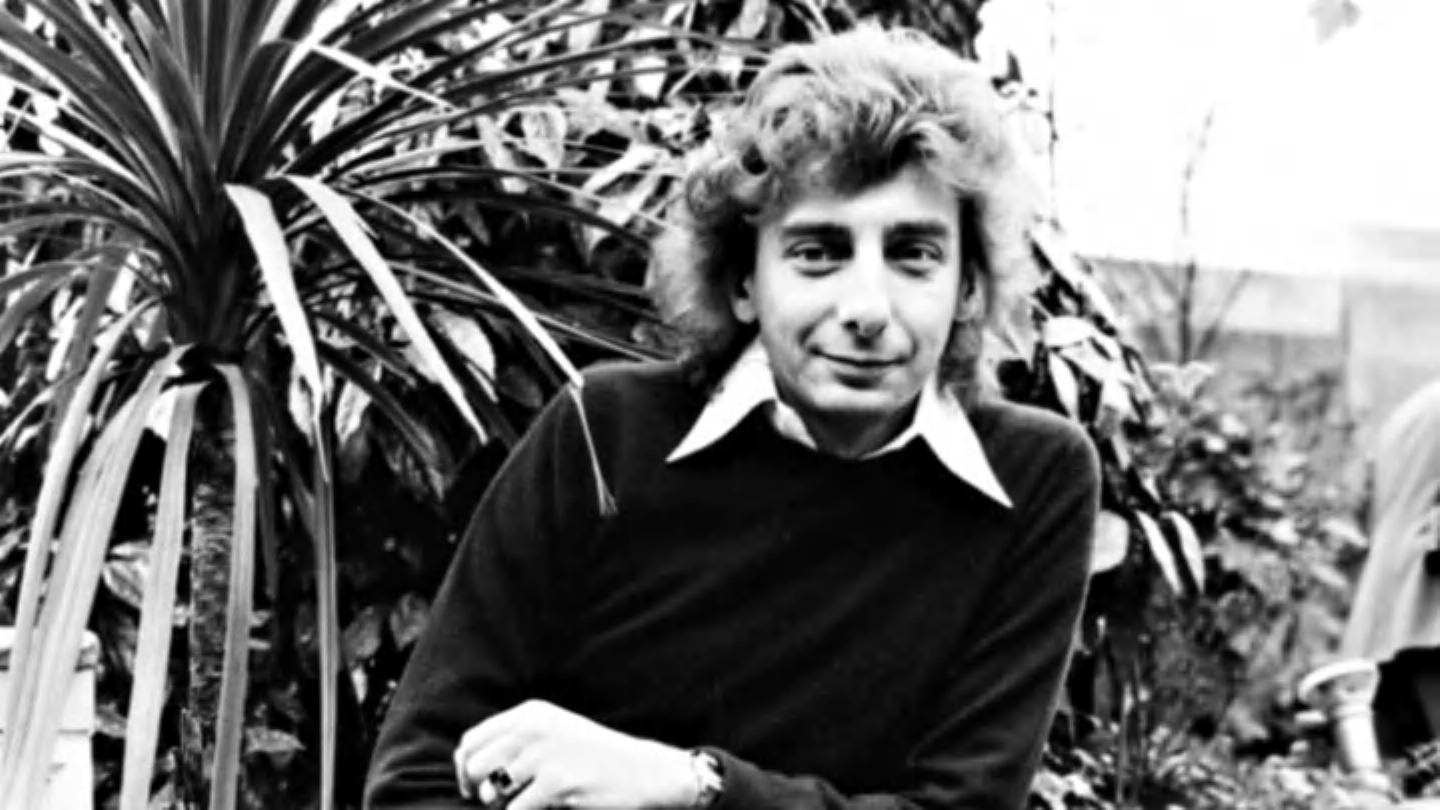
The legacy of this name change extends beyond personal preference into the realm of human nature. It raises the question of whether our true lineage is dictated by biology or by the hands that guide us toward our potential. Manilow’s success is a definitive argument for the latter. By choosing to honor the family that stayed, he transformed a narrative of loss into a masterclass in self-determination. He did not just survive the exit of Harold Pincus; he used the empty space to compose a life that remains structurally sound and intellectually magnetic. The name on the marquee is not just a label; it is a victory.