 By admin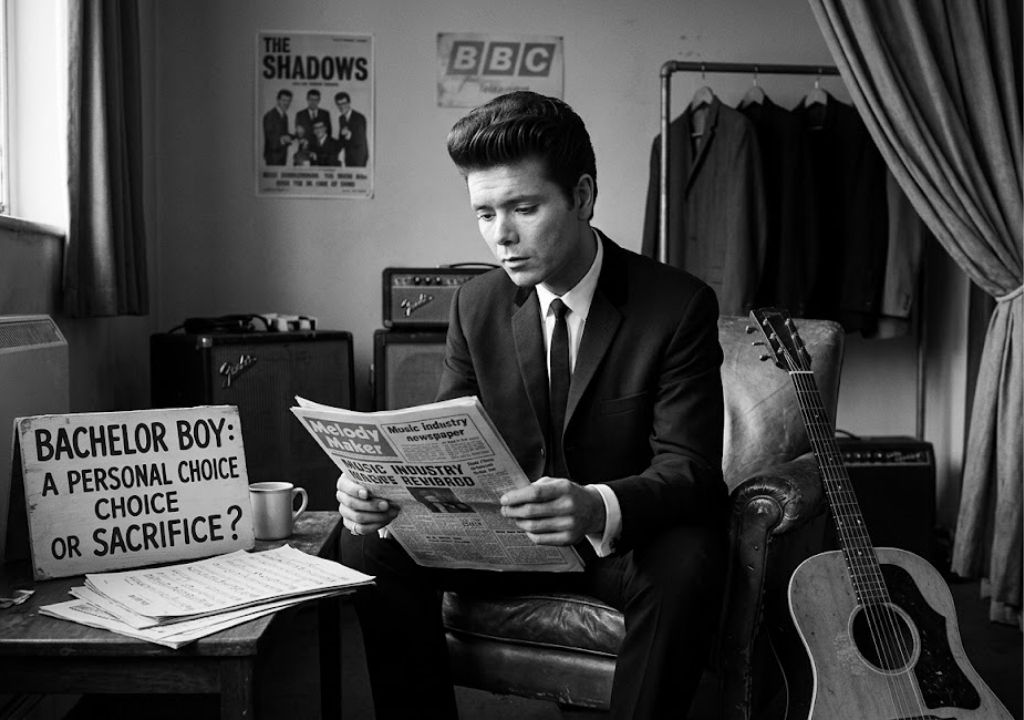
INTRODUCTION
In the winter of 1962, the EMI Studios at Abbey Road hummed with a specific kind of optimism that only the pre-Beatles era could sustain. Cliff Richard, then the undisputed king of British pop, stood before the microphone to record “Bachelor Boy.” Written alongside Bruce Welch of The Shadows for the cinematic venture Summer Holiday, the track was never intended to be a mere promotional tool. It was a rhythmic manifesto. As the bright acoustic strumming filled the room, Richard delivered a performance that was both lighthearted and strangely prophetic. The song didn’t just climb the charts; it anchored the cultural identity of a performer who was navigating the transition from a rock-and-roll rebel to a sophisticated multi-media entertainer. For a generation of listeners, the melody became synonymous with a specific British dream: the freedom of the open road and the unapologetic joy of youth.
THE DETAILED STORY
“Bachelor Boy” remains a fascinating case study in the intersection of celebrity branding and musical craftsmanship. Released in December 1962 as a double A-side with “The Next Time,” the single reached the summit of the UK Singles Chart in January 1963, securing a dominant three-week tenure at Number 1. The composition itself was a collaborative effort between Richard and Welch, born during the filming of the Technicolor musical Summer Holiday in the sun-drenched landscapes of Greece. While many pop songs of the early sixties focused on the urgency of romantic union, “Bachelor Boy” offered a contrarian narrative—a father’s counsel to remain unattached until the arrival of an idealized, perhaps unattainable, partner. Technically, the song is a masterclass in the “Cliff and The Shadows” sound: crisp production, melodic clarity, and a vocal delivery that favored charm over grit.
The narrative weight of the song has only increased over the decades. What began as a screenplay requirement evolved into a defining characteristic of Sir Cliff’s legendary career. The song’s lyrical refrain, “I’ll be a bachelor boy until my dying day,” ceased to be a simple movie hook and transformed into a public reality that the singer embraced with characteristic grace. Historically, the track bridged the gap between the skiffle-influenced fifties and the sophisticated pop of the mid-sixties. It was a period where the British recording industry was finding its own voice, and Richard was the focal point of that evolution. The financial impact was significant; the single sold over one million copies, reinforcing Richard’s status as a dominant commercial force before the British Invasion reshaped the global landscape. Analysis of the song reveals a sophisticated use of harmony and a bridge that transitions seamlessly back to its infectious chorus, ensuring its place as a staple of classic radio. To view “Bachelor Boy” as a mere relic is to ignore its role as the foundational stone of a legacy built on discipline, longevity, and a singular devotion to the craft.