 By admin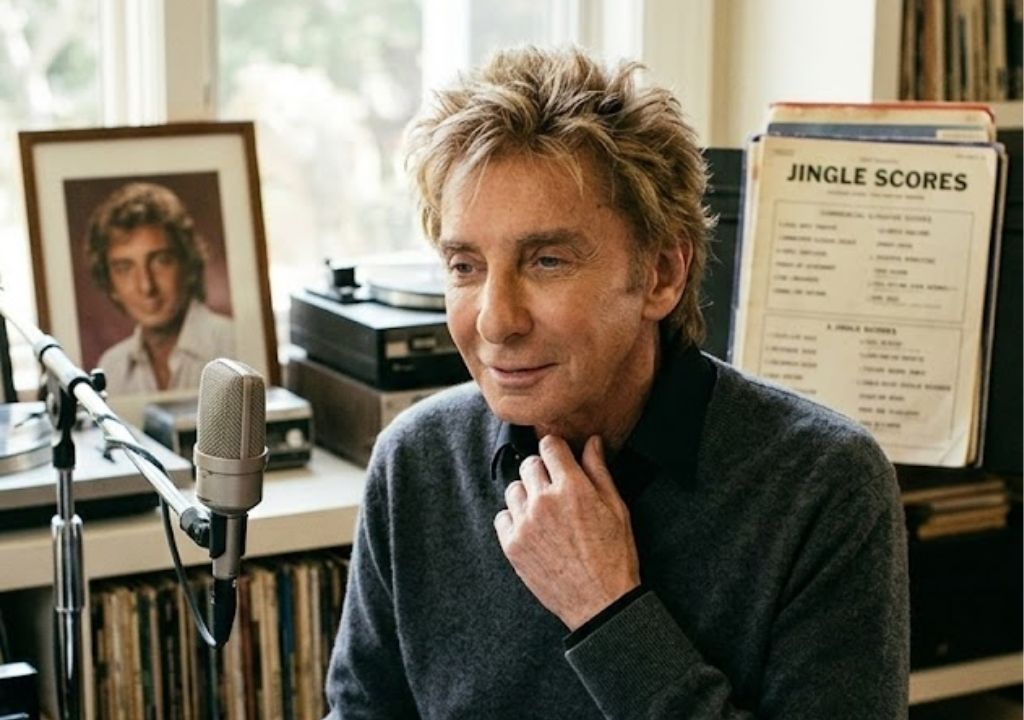
INTRODUCTION
Barry Manilow’s Final Act: A Legend’s Fight to Find His Voice at 82
At 82, Barry Manilow is facing his toughest critic yet: his own body. In a career spanning half a century, the man who “writes the songs the whole world sings” has weathered every trend in the industry, but a recent health battle that landed him in the hospital has become what he calls the “deepest chapter” of his life.
“I had no idea that there were that many people out there that even knew I was alive,” Manilow admits, reflecting on the outpouring of support he received during his recovery. But while the love from fans is abundant, the physical stamina required to be “Barry Manilow” is currently out of reach. For a performer known for high-octane, 90-minute spectacles, the road back is grueling. “It’s beyond frustrating,” he says. “My voice is coming back… but unless you’re in top-notch shape, you can’t make it through.”
Despite the physical setbacks, the “Fanilow” flame is far from extinguished. Manilow has returned to his roots as a “musician’s musician,” recently releasing his first pop album in decades. While the world may see him as a superstar performer, Manilow views himself differently. “I’m a musician. That’s what I am. I don’t consider myself a singer or a performer… I consider myself an arranger.”
This technical obsession with melody and structure is what led him to record his latest hit, “Once Before I Go.” Originally played for him years ago by the late Peter Allen, the song found its way back to Manilow via legendary producer Clive Davis. It’s a full-circle moment for a man who has lived his life in cycles of recording and touring.
The journey to this new album wasn’t without its creative identity crises. In an era dominated by streaming and “run-on sentence” songwriting, Manilow briefly tried to adapt to the sounds of today’s Top 40, even studying artists like Billie Eilish. Ultimately, he walked away from the contemporary mold. “It just didn’t work for me. It didn’t sound honest.” Instead, he leaned into the classic craftsmanship he honed decades ago writing iconic commercial jingles—like the State Farm and Band-Aid themes—that are still ingrained in the American psyche.
Manilow’s endurance is a testament to a simpler time when a song needed a verse, a bridge, and a chorus that people could actually sing back. As he fights to regain the energy needed to step back into the spotlight, his mission remains unchanged. He isn’t seeking more fame or residuals; he is seeking a connection.
“My goal has always been… I want them to feel better when they leave than when they came in,” he reflects. If he has his way, his legacy won’t be defined by the platinum records or the decades of chart-topping hits, but by a simple, five-word epitaph: “He made me feel good.” For a man who lost his voice only to find a deeper purpose, that might be his greatest arrangement yet.