 By admin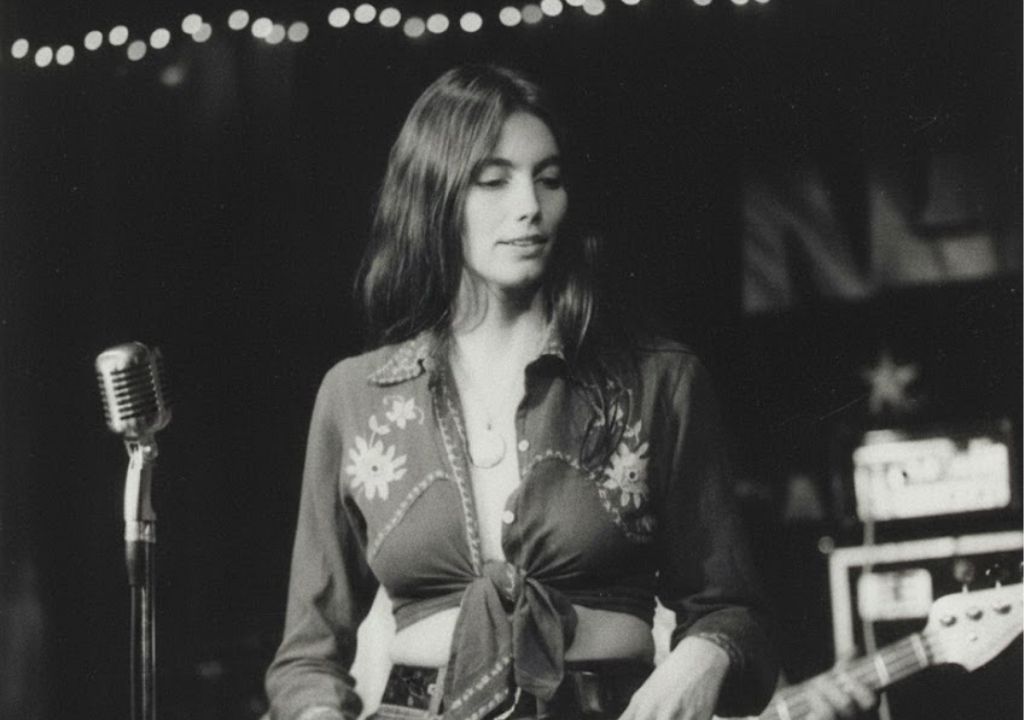
INTRODUCTION
In the autumn of 1967, the University of North Carolina at Greensboro held the promise of a stable, prestigious trajectory for a young woman of formidable intellect. Emmylou Harris, the daughter of a decorated Marine Corps officer, was not merely a student; she was the recipient of a competitive drama scholarship, a position that demanded both meticulous discipline and a public commitment to the theatrical arts. Yet, within the confines of the rehearsal hall, a profound cognitive dissonance began to take root. While her peers analyzed the mechanics of performance, Harris found herself increasingly mesmerized by the raw, unvarnished narratives found within the burgeoning folk revival. The decision to walk away from the security of academia was not an act of teenage rebellion, but rather a sophisticated realignment of her internal compass toward an inevitable, albeit uncertain, artistic horizon.
THE DETAILED STORY

The departure from Greensboro remains one of the most pivotal, if under-examined, moments in the history of Americana. To understand the gravity of this choice, one must acknowledge the cultural paradigm of the late 1960s. For a straight-A student raised in a military household, the act of “dropping out” carried a social weight far heavier than it does today. It represented a fundamental fracture in the family hierarchy, causing a palpable disappointment that Harris has navigated with grace throughout her career. However, this friction served as a crucible. By relinquishing the safety of her scholarship, she effectively stripped away the artifice of the stage, trading the scripted roles of the theater for the radical vulnerability of the singer-songwriter.
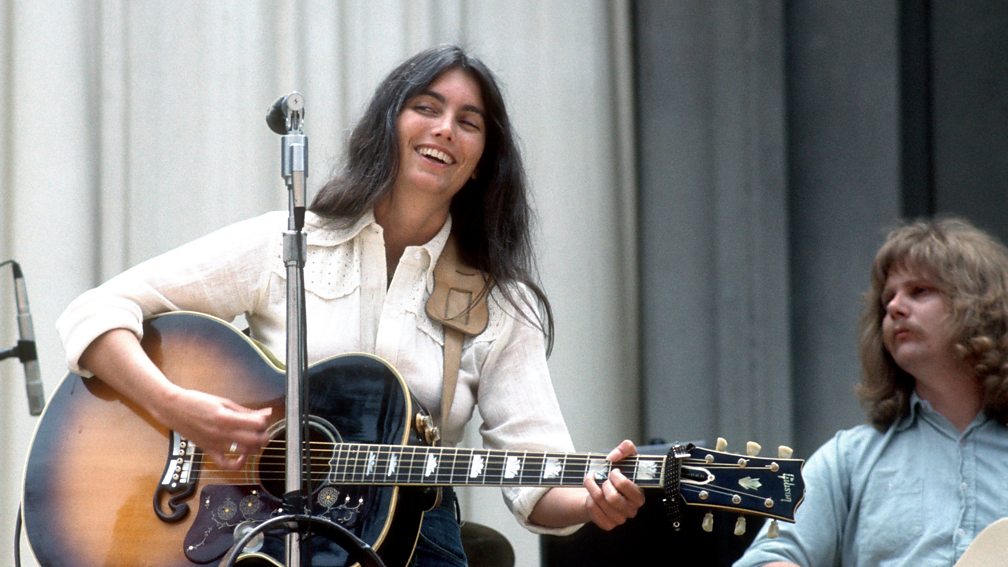
This transition necessitated a move to New York City and later Washington, D.C., where the harsh realities of the folk circuit replaced the theoretical lessons of the classroom. Harris was no longer playing a character; she was meticulously crafting a sonic identity that bridged the gap between the high-lonesome sound of traditional country and the sophisticated lyricism of modern folk. This period of struggle was essential to her development, fostering a resilience that would later define her collaborations with Gram Parsons. It was during these lean years that she mastered the nuance of harmony—a skill that requires a selfless surrender of the ego to the service of the song.

The narrative of the “college dropout” often implies a lack of direction, yet in the case of Emmylou Harris, it was an exercise in extreme focus. She did not leave her education behind; she simply changed her laboratory. Her subsequent career—spanning dozens of albums and fourteen Grammy Awards—is a testament to the fact that true mastery often requires the courage to abandon a prescribed path in favor of a profound, internal calling. She became the connective tissue of American music, a diplomat of the genre who could harmonize with anyone from Bob Dylan to Dolly Parton.
Ultimately, Harris’s departure from the University of North Carolina was the first movement in a lifelong symphony of autonomy. She proved that legacy is not built through adherence to institutional expectations, but through the relentless pursuit of an authentic frequency. Her life suggests that the most significant risks are those taken when the heart recognizes a truth that the intellect has yet to codify.