 By admin

INTRODUCTION
The archetype of the distant, untouchable pop idol was a concept Billy Fury consistently subverted through his innate, almost painful humility. Unlike the aggressive bravado displayed by many of his contemporaries, Fury possessed a magnetic vulnerability that collapsed the traditional hierarchy between the performer and the public. This created a unique psychological landscape where his “fan girls” did not just see a star; they saw a kindred spirit who required protection. Within this atmosphere, the rumors of a “Cinderella” romance—a genuine, deep-seated connection with an “ordinary” girl—became a central pillar of the Fury mythology.
THE DETAILED STORY
While Fury had high-profile relationships, most notably with actress Amanda Barrie and model Lisa Rosen, the most enduring narratives of his romantic life involve women who existed outside the glare of the London “it” crowd. The “Cinderella” aspect of his life was less about a single, publicized marriage to a commoner and more about his pattern of choosing the company of those who knew him as Ronald Wycherley rather than the “British Elvis.” His long-term partner during the latter part of his life, Lee Middleton, was often framed by the press through this lens—a woman who provided a sanctuary of normalcy on their farm, away from the predatory pace of the entertainment industry.
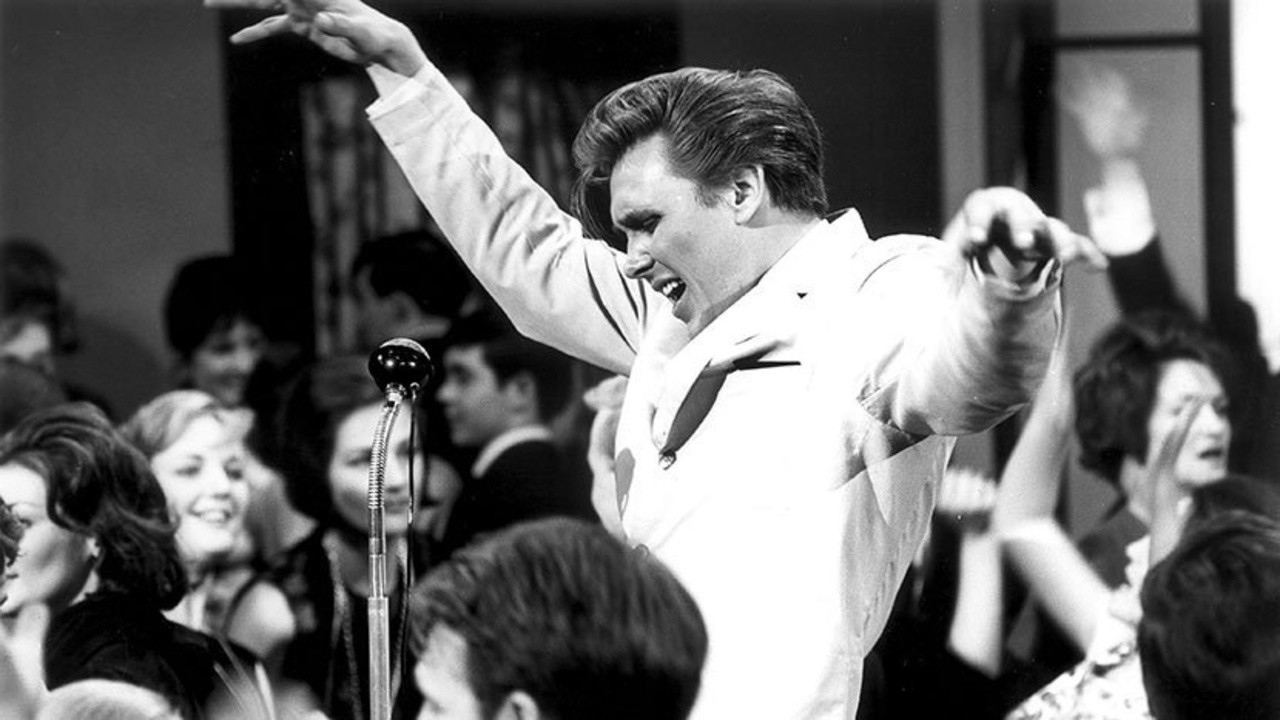
The “fan-to-partner” transition was a recurring theme in the letters and testimonials found in the Billy Fury fan club archives. He was known for inviting long-standing supporters backstage not for a fleeting photograph, but for genuine, soft-spoken conversation. These interactions often bypassed the artifice of celebrity; he would inquire about their lives in the industrial North with a sincerity that suggested he still viewed himself as a Liverpool dockworker on a temporary detour. This accessibility fueled the belief that any fan could, through sheer loyalty, become the one to anchor his drifting, restless soul. It was a narrative of hope that sustained a generation of women who saw his shyness as an invitation.
Ultimately, the “Cinderella” story of Billy Fury is a testament to his refusal to participate in the elitism of stardom. He sought out the “ordinary” because it was the only space where his fragile health and his love for the natural world—specifically his passion for birdwatching and animal rescue—were understood without judgment. He did not look down from the palace of fame; he looked across at the crowd, seeking a reflection of the home he had left behind. Whether these connections were romantic or deeply platonic, they solidified his status as the “People’s Idol,” a man whose heart, though physically weakened, remained accessible to the very people who bought his records.