 By admin

INTRODUCTION
The brick-vaulted tunnels of Mathew Street have long been considered the hallowed ground of the 1960s British Invasion, yet for Liverpool’s first genuine rock-and-roll export, the venue remained a conspicuous void in an otherwise stellar itinerary. In the late 1950s, the Cavern Club was a crucible of raw energy and localized rebellion, but for Ronald Wycherley—the dockworker who transformed into Billy Fury—this subterranean space was a landscape he observed from the periphery while ascending to national stardom.
THE DETAILED STORY
The announcement that tickets are officially on sale for the Billy Fury Tribute at the Cavern Club in October 2026 marks more than a routine musical homage; it is a significant narrative correction. This event, anchored by the 10/25/2026 performance titled “Billy Fury Meets Elvis Presley,” serves as a meticulously curated reconstruction of an era when the “Sound of Fury” defined the aspirations of a generation. While Fury became a chart-topping phenomenon with 24 hits in the 1960s, his manager, the legendary pop empresario Larry Parnes, famously steered his “stable” of artists away from the gritty, unpolished atmosphere of Liverpool’s cellar clubs. Parnes sought to maintain a meticulous, high-status image for Fury, favoring grand theaters and television studios over the damp, low-ceilinged venues where the Beatles were then refining their craft. Consequently, the artist who paved the logical path for the Merseybeat revolution never officially headlined the venue that would eventually symbolize the city’s musical soul.
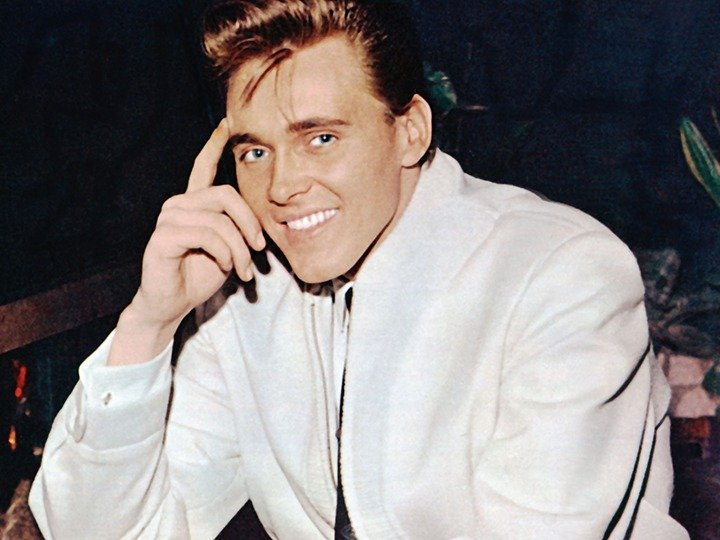
The October showcase, featuring the evocative vocal performances of Alan Wilcox and Ivan Brady, is designed to dissolve this historical distance through a focus on Fury’s formative years. By utilizing the Cavern’s iconic Live Lounge, the production aims to replicate the raw, visceral acoustics of 1960—the year Fury released his debut ten-inch LP. That record, The Sound of Fury, remains a technical paradigm for British rockabilly, noted for its lean arrangements and Fury’s own sophisticated songwriting. The 2026 tribute will strip away the lush, orchestral layers of his later commercial hits like “Jealousy,” revealing the meticulous, blues-infused architecture of his early work. Priced at approximately $24.00, the event offers a democratization of history, inviting both legacy fans and new scholars of the genre to witness a “homecoming” that is sixty years in the making.
Beyond the setlist, the residency explores the nuance of Fury’s legacy as a precursor to the global pop explosion. Fury’s stage presence—a paradoxical blend of feline grace and paralyzing shyness—offered a blueprint for the vulnerable masculinity that would later become a staple of modern celebrity. He was the first to demonstrate that a Liverpool artist could achieve a level of fame previously reserved for American stars, yet he did so with a uniquely British sense of melancholy. As the October performance approaches, it raises an inevitable question about the nature of artistic legacy: can a story be considered truly complete until it returns to its point of origin? For the attendees descending into the subterranean warmth of the Cavern this autumn, the experience promises to provide the final, missing chapter in the biography of Ronald Wycherley.