 By admin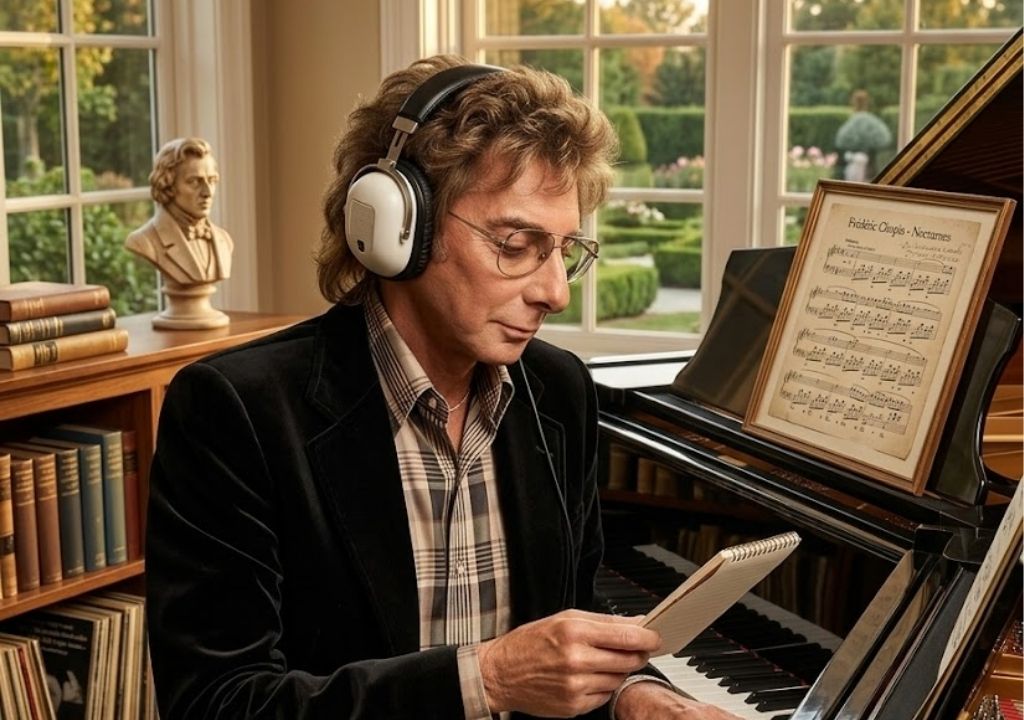
INTRODUCTION
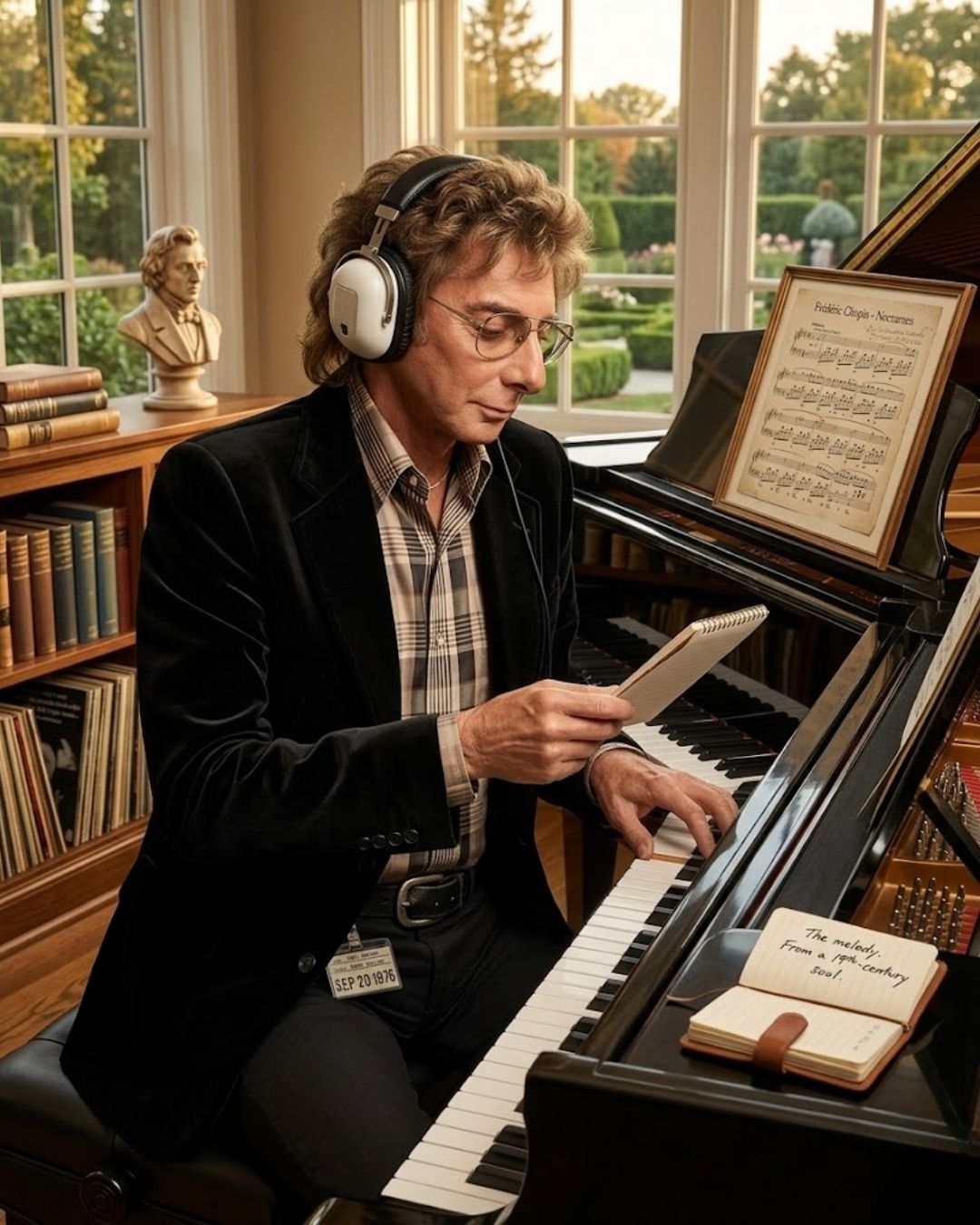
In the early 1970s, before the neon glitz of Las Vegas residencies, Barry Manilow sat at a piano, haunted by the melancholic chords of Frédéric Chopin’s Prelude in C minor, Op. 28, No. 20. Alongside lyricist Adrienne Anderson, Manilow sought to translate the tragic weight of 19th-century Polish Romanticism into a contemporary pop tapestry. The result, “Could It Be Magic,” was more than a song; it was a seven-minute symphonic journey that defied the rigid three-minute radio standards of the era. Released initially in 1973 on his debut album, the track languished in obscurity until the stratospheric success of “Mandy” prompted a 1975 re-release. This composition serves as the definitive bridge between the conservatory and the nightclub, cementing Manilow’s reputation as a sophisticated architect of sound who understood that the soul of pop music has always been classical.
THE DETAILED STORY
The brilliance of “Could It Be Magic” lies in its audacity to sample high art for a mass audience long before the era of digital looping became commonplace. Manilow’s arrangement maintains the structural integrity of Chopin’s original progression—a somber, descending series of chords—while layering it with a lush, building orchestration that culminates in an ecstatic climax. This fusion was a risky venture in a 1975 music market dominated by the rise of disco and the remnants of folk-rock. Yet, when Arista Records re-issued the single following Manilow’s rise to fame, it surged to Number 6 on the Billboard Hot 100, proving that listeners craved the emotional complexity usually reserved for concert halls.
The song’s technical construction is a masterclass in tension and release. Manilow utilizes the opening piano solo to establish a sense of historical gravitas, then transitions into a pulsating rhythm section that bridges the gap between the 1830s and the 1970s. This crossover success was not a mere fluke; it was a calculated effort by Manilow and Clive Davis to position the artist as a prestige act. Financially, the track’s enduring popularity—boosted later by Donna Summer’s 1976 disco reimagining and Take That’s 1992 cover—has generated millions in royalties and publishing revenue over the decades.
Beyond the charts, “Could It Be Magic” remains the emotional centerpiece of Manilow’s live performances, often serving as the peak of his $100,000,000 USD-grossing Vegas residencies. Critics at The Hollywood Reporter and Variety have long noted that the song’s longevity stems from its refusal to settle for simplistic pop tropes. By anchoring his work in the lineage of Chopin, Manilow elevated the “easy listening” genre into something approaching the operatic. The track stands as a testament to the idea that pop music, at its most potent, is a dialogue with history—a way to breathe new life into old ghosts while securing a permanent place in the modern pantheon of legends.