 By admin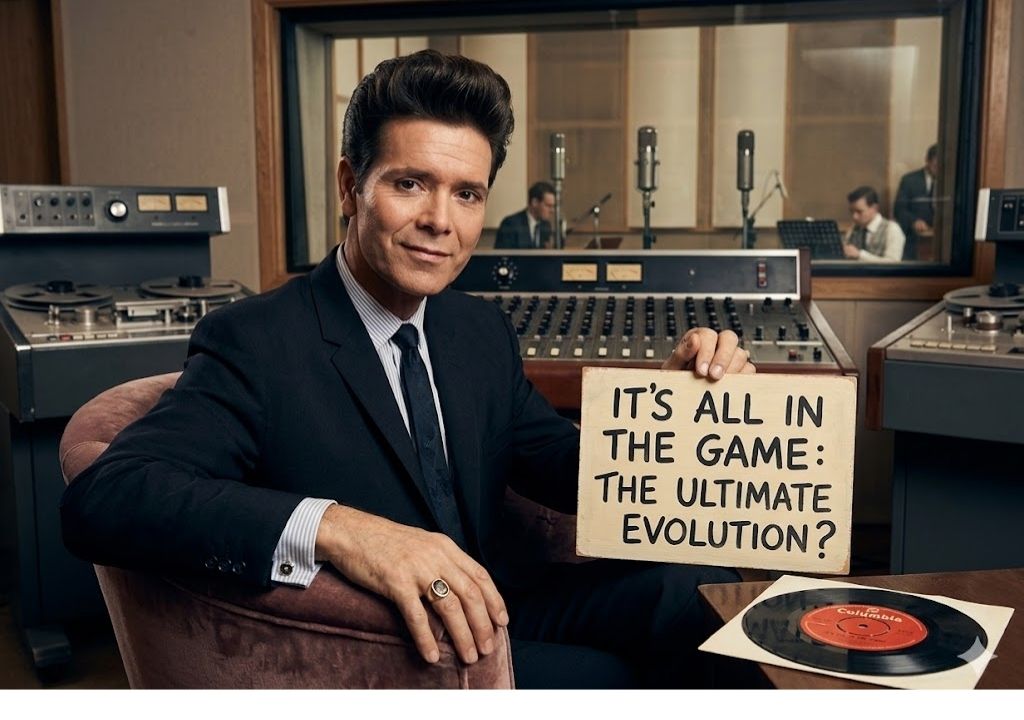
INTRODUCTION
In the late summer of 1963, the atmosphere within the British recording industry was charged with a pre-Beatlemania sophistication. Cliff Richard, formerly the “British Elvis,” stepped into the studio to record a melody originally composed by a future U.S. Vice President, Charles Dawes, in 1911. As the session musicians began the gentle, swaying tempo of “It’s All in the Game,” the transition was palpable. This wasn’t the frantic energy of his early rock-and-roll hits; it was the calculated, velvet poise of an artist claiming his seat at the high table of global entertainment. The arrangement, lush yet disciplined, demanded a vocal performance that prioritized emotional resonance over raw volume. Richard delivered exactly that, turning a mid-century standard into a definitive statement of his own artistic maturity and commercial dominance.
THE DETAILED STORY
“It’s All in the Game” represents a pivotal moment in the 1963 discography, a year when the British pop landscape was on the precipice of a seismic shift. While the Merseybeat sound was beginning to rattle the windows of the establishment, Richard chose to lean into a sophisticated, adult-contemporary aesthetic that would ensure his longevity. The song carries a unique pedigree; Charles Dawes, who served as Vice President under Calvin Coolidge, wrote the melody as “Melody in A Major” decades prior. Carl Sigman added the lyrics in 1951, leading to Tommy Edwards’ legendary 1958 chart-topper. For Richard to tackle this material in August 1963 was a strategic maneuver designed to capture both the youth market and the traditional listener—a demographic bridge-building exercise that few of his contemporaries could execute with such precision.
Technically, the 1963 recording is a masterpiece of early sixties production. The arrangement utilizes a delicate balance of strings and a steady, unobtrusive rhythm section that highlights Richard’s impeccable phrasing. He navigates the emotional arc of the lyrics—from the sting of a lover’s quarrel to the inevitability of reconciliation—with a maturity that belied his twenty-three years. Released as a single on 08/30/1963, the track surged to Number 2 on the UK Singles Chart, held off the top spot only by The Beatles’ “She Loves You.” This chart battle symbolized the changing of the guard, yet Richard’s success with a standard proved his resilience against the coming tide. In the United States, Epic Records released the track to capitalize on the growing curiosity regarding British talent, where it peaked at Number 25 on the Billboard Hot 100. The song solidified Richard’s reputation not just as a hitmaker, but as an interpreter of the Great American Songbook, a role that would sustain his career across seven decades. It remains a testament to the idea that in the volatile economy of pop music, the most enduring currency is a perfectly delivered ballad.