 By admin
INTRODUCTION
The glare of the television studio lights reflected off the obsidian sheen of a leather jacket, a stark contrast to the velvet-draped image the public had come to expect from Britain’s premier hitmaker. In 1964, the airwaves were saturated with the harmonies of the British Invasion, a movement led by a group of Liverpudlians who had once auditioned to be his backing band. Yet, as the needle dropped on the B-side of his latest single, Billy Fury was not looking toward the future of pop; he was looking back at the raw, unvarnished grit of American rockabilly. The choice to cover Eddie Fontaine’s 1958 sleeper hit, “Nothin’ Shakin’ (But the Leaves on the Trees),” was a meticulous act of artistic reclamation.
THE DETAILED STORY

By the mid-1960s, the career of Billy Fury was caught in a sophisticated paradox. He was the undisputed king of the British power ballad, with “I Will” climbing the charts and cementing his status as a romantic idol. However, the soul of Ronald Wycherley remained anchored in the basement clubs of his youth. The 1964 recording session for “Nothin’ Shakin’” was a deliberate attempt to inject the “Mersey Sound” with the authentic, dangerous energy that had been sanitized by his commercial success. Working under the direction of Mike Leander, Fury stripped away the lush orchestrations of his A-sides, replacing them with a propulsive, guitar-driven urgency that echoed the frantic pulse of the early Cavern Club era.
The recording itself is a masterclass in vocal tension. Unlike the original Eddie Fontaine version, which relied on a steady, swing-inflected rhythm, Fury’s rendition possessed a jagged, almost desperate edge. This wasn’t merely a cover; it was a psychological return to his roots. The track became a staple of his live sets, most notably during an explosive appearance on Ready Steady Go!, where Fury’s physicality reminded the “Mod” generation that he was the original architect of British cool. While his peers were experimenting with psychedelic nuances, Fury was proving that the fundamental architecture of rock and roll—a driving beat and a vulnerable snarl—was timeless.
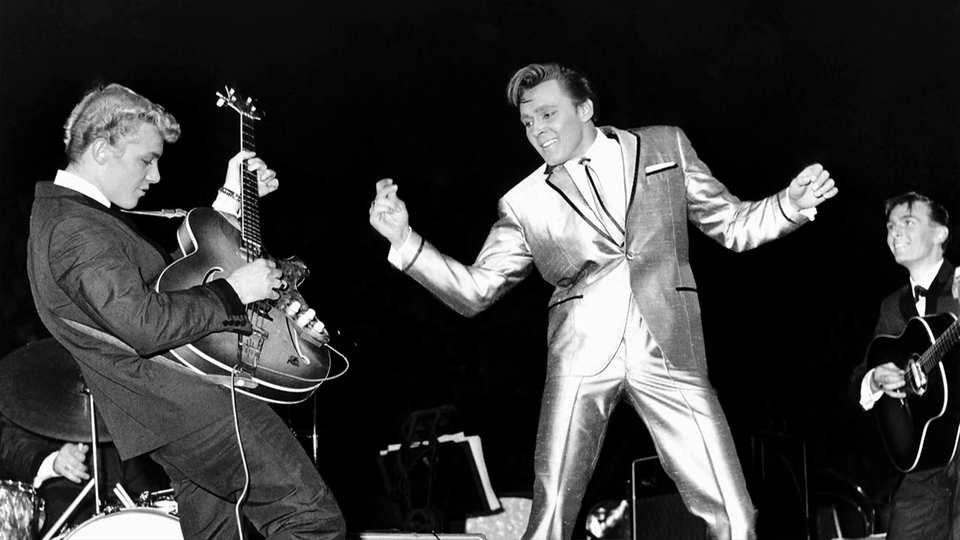
This pivot toward his rockabilly origins served as a bridge between two eras. It acknowledged the influence he had on younger bands like The Beatles, who famously performed the same track during their BBC sessions, while asserting his own technical superiority as a solo performer. The “Nothin’ Shakin’” cover remains a pivotal moment in the Fury canon because it demonstrated his refusal to be confined by the “teen idol” label. It was a reminder that behind the meticulously coiffed hair and the chart-topping ballads lay a man who understood that true musical power is often found in the most primitive rhythms. As the final chords of the song fade, they leave behind an authoritative truth: Fury’s legacy was never just about the hits, but about the relentless, beating heart of the rock and roll spirit that he refused to let go.